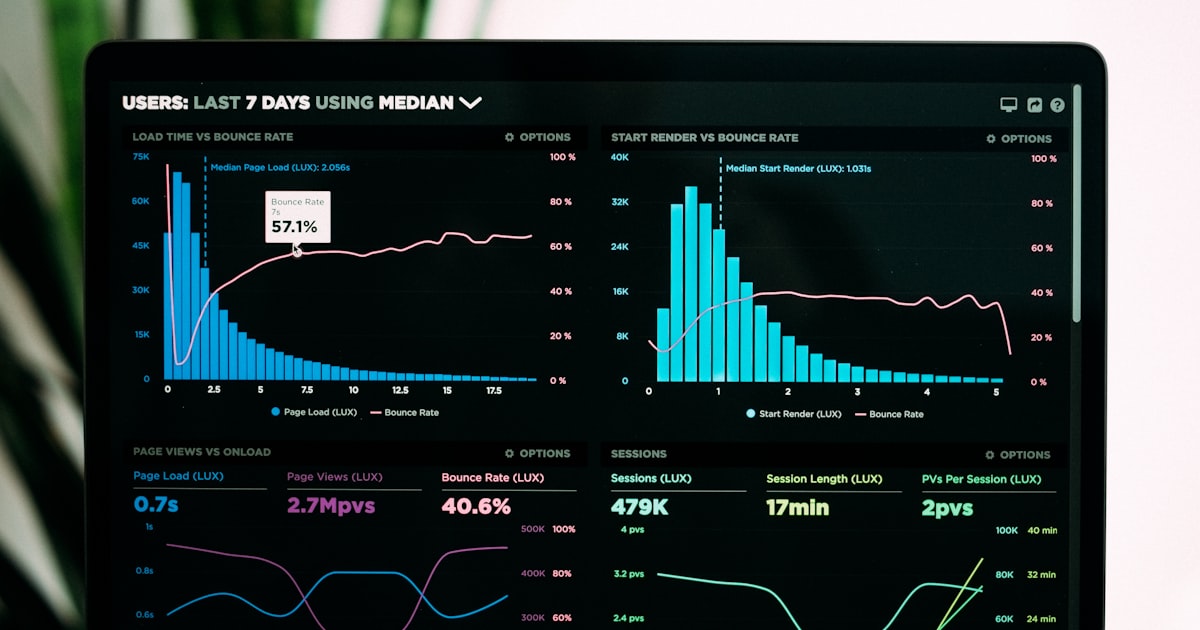
Harness the power of predictive analytics to forecast trends and make proactive business decisions.
Predictive analytics uses historical data, statistical algorithms, and machine learning to forecast future outcomes. This practical guide will help you understand how to leverage predictive analytics in your organization.
Understanding Predictive Analytics
Unlike descriptive analytics that tells you what happened, or diagnostic analytics that explains why it happened, predictive analytics forecasts what is likely to happen. This forward-looking capability enables proactive decision-making and strategic planning.
Common Use Cases
Customer Lifetime Value Prediction
Predict which customers will generate the most value over time, allowing you to focus retention and upselling efforts where they'll have the greatest impact.
Demand Forecasting
Anticipate product demand to optimize inventory levels, reduce stockouts, and minimize excess inventory costs. This is particularly valuable for seasonal businesses and those with long supply chains.
Risk Assessment
Predict credit risk, fraud likelihood, or operational risks before they materialize. This allows for proactive mitigation strategies and better resource allocation.
Building Predictive Models
Start with clean, relevant historical data. Choose appropriate algorithms based on your use case—regression for continuous outcomes, classification for categorical predictions. Train your models on historical data, validate their accuracy, and deploy them into production systems.
Keys to Success
Focus on business value, not technical sophistication. Start with clearly defined problems where predictions can drive action. Ensure you have the data infrastructure to support model deployment and monitoring. Continuously refine your models as new data becomes available.
Conclusion
Predictive analytics is becoming essential for competitive advantage. Organizations that can accurately forecast future trends and behaviors can make better decisions, optimize operations, and better serve their customers.